

How to Become a DST Attorney with Estate Planning Team
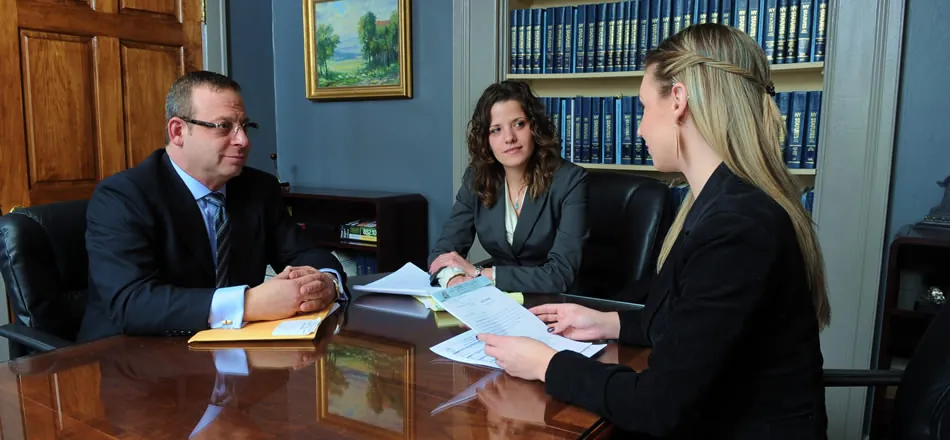
To become a DST attorney, the first step is to join Estate Planning Team’s network and gain access to market the Deferred Sales Trust. The structure is built on the installment sale rules of IRC Section 453. Attorneys who become a Deferred Sales Trust attorney through the network earn legal fees as a percentage of transaction value rather than by the hour. It fits practices whose clients already sell appreciated businesses and real estate, and it is a practice-area expansion rather than a new specialty built from scratch.
Why Become a Deferred Sales Trust Attorney: The Revenue Opportunity
Fees are the reason to become a Deferred Sales Trust attorney: a percentage of transaction value instead of hours recorded. On large sales, that changes what a single engagement is worth. Under the American Bar Association’s Model Rule 1.5, any fee must be reasonable, and a percentage-of-value fee on a documented, high-value transaction sits comfortably within the alternative fee arrangements the ABA has long recognized.
Average cases run between $1M and $3M in transaction size, and some exceed $50M. Earnings depend on case size, case volume, and client fit, so the model rewards attorneys who already work with sellers of highly appreciated assets. That makes it a practice-area expansion for M&A, tax, and real estate attorneys rather than a change of direction. No level of income is promised; the fee model is what changes, not the guarantee of any particular result.
The model changes two things: what a case is worth, and how many cases reach you.
Scale
Fees track the size of the deal, so a large transaction pays like a large transaction.
Reach
Members work inside a nationwide network of professionals who refer business to one another. A CPA with a client who will not sell because of the tax bill, a real estate broker with a stalled listing, or a financial advisor with a concentrated position all have a reason to refer that client to a DST attorney in the same network.
The third change is timing.
A traditional engagement begins when the client has a problem. A DST engagement begins earlier, well before the transaction closes, which is when an attorney’s structuring advice is worth the most to the seller.
What Is a Deferred Sales Trust and How Does It Work?
A Deferred Sales Trust is an IRC Section 453 installment sale structure used to defer capital gains taxes on the sale of highly appreciated assets. The order of the transaction is critically important:
Seller
Transfers the appreciated asset to the trust in exchange for a promissory note.
Trust
Sells the asset to the end buyer and receives the sales proceeds.
Buyer
Purchases the asset from the trust. The original owner is not a party to that transaction.
Repayments
The trust repays the seller over time under the terms of the note.
Because the seller does not receive the sales proceeds at closing, gain is recognized when repayments arrive rather than fully in the year of sale. The seller does not control the trust; an independent trustee does. The seller holds a creditor’s position, a note secured by the trust assets, with a right to approve the trust’s investment strategy. Sellers report installment sale income on IRS Form 6252.
Timing is the attorney’s first job. The trust must exist and the transfer must be complete before the transaction closes. A trust created after the seller is already entitled to the proceeds cannot cure constructive receipt, and the deferral fails. That is why the engagement starts well before closing.
Eligible assets include:
- Businesses and professional practices
- Commercial real estate
- Investment properties
- Agricultural properties
- High-end primary residences
- Major private stock positions
- Valuable artwork and collectibles
The IRS reviewed the DST structure in 2008 and 2019, with no adverse findings. Estate Planning Team has facilitated these transactions for more than 20 years. For sellers weighing a 1031 exchange, the Deferred Sales Trust is an alternative that has to be evaluated and structured before the transaction closes; it is not a way to repair an exchange that has already failed. Attorneys evaluating fit for a specific client can contact Estate Planning Team for a case-specific review.
Membership includes the support of tax and legal professionals, so members are not developing the offering on their own. All member-produced DST marketing requires written approval from Estate Planning Team before publication, which keeps claims consistent and compliant across the network and protects each member’s own practice. The marketing solutions that come with membership are built around that approval process.
DST Attorney Model vs. Traditional Billable-Hour Practice
DST Attorney Model
Traditional Billable-Hour Practice
Estate planning attorneys
For estate planning attorneys, the draw is practice-area expansion. The structure applies to clients an estate planning practice already advises, and the referral network connects members to professionals working the same transactions from other angles.
Tax attorneys
For tax attorneys, the appeal is that the work is substantive: structuring, documentation, and compliance under IRC Section 453, with continuing education-style support from the network as rules and case law develop.
Frequently Asked Questions About Becoming a DST Attorney
Questions about the attorney program: 760-779-5336, ext. 6
The first step is to become an Estate Planning Team member, and go through the member training to achieve a better understanding of the structure. The structure suits practices already advising clients who sell appreciated businesses or real estate. Questions about the attorney program go to Estate Planning Team at 760-779-5336, ext. 6.
DST attorneys are paid a share of the transaction rather than an hourly rate. The amount follows transaction size, so the model favors attorneys handling larger deals. Legal fees vary by transaction, and no level of income is promised.
The attorney’s work is structuring and documentation, carried out alongside the seller’s other advisors ahead of closing: drafting the trust, documenting the transfer, preparing the installment sales contract, and confirming the timing. Ongoing management of the trust and its investments belongs to an independent trustee. The DST attorney also provides audit defense at no additional charge should it ever be needed.
Estate Planning Team provides onboarding and Deferred Sales Trust attorney training to DST attorneys, along with marketing resources and access to tax and legal professionals for ongoing questions. Members also work alongside CPAs, financial advisors, and trustees inside the network.
Businesses and professional practices, commercial real estate, investment properties, agricultural property, high-end primary residences, major private stock positions, and valuable artwork and collectibles. Eligibility turns on the asset being a highly appreciated capital asset, not on the seller’s entity type.
Yes. The network supports both routes. A 1031 exchange keeps a seller in like-kind real property on a fixed timetable. The Deferred Sales Trust applies to a broader set of assets and carries no identification or closing deadline. Attorneys who already advise on exchanges tend to be well placed to identify which route fits a given client, provided the choice is made before the transaction closes.
Whether or not you should become a DST attorney comes down to one question: how often does a client’s sale stall over capital gains considerations?
Where that happens regularly, the structure gives your practice something to offer at the point where the conversation usually stops.
Join NowThe Deferred Sales Trust may not be suitable for all sellers. Consult with your tax and legal advisors before proceeding. Legal fees under this model vary by transaction. No level of income is promised or implied. This material is for educational purposes only and is not intended as tax, legal, or financial advice.